What do You Want to Work on?
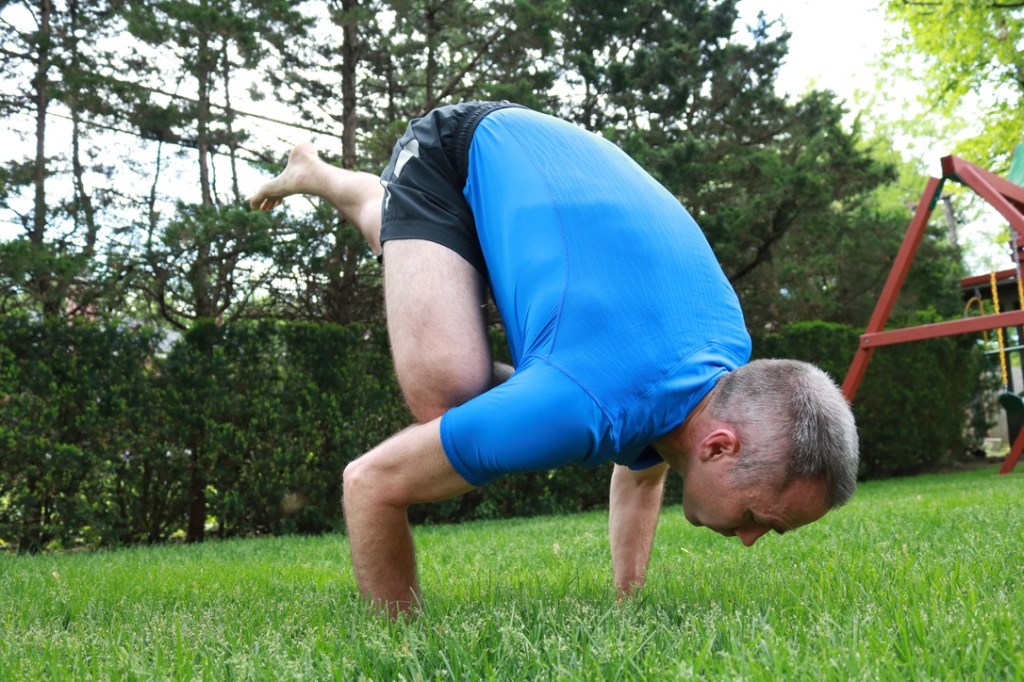
Before every class I ask the yogis in the room if they want to work on anything in particular. What I usually hear are a list of body parts. Low back, shoulders, neck, upper back, hips, hip flexors, and then less frequently, core, knees, feet, and wrists. Sometimes people request specific poses or techniques, like breathwork or forms of meditation. Occasionally someone will mention emotional issues like anxiety or grief.
Asking students if they have anything they’d like to work on can have many benefits. Most obviously, taking requests helps the teacher understand what poses, variations, and sequences should be used or avoided. It also helps the teacher know what to look for to help each student practice effectively and keep them safe.
Fielding requests can also help a teacher choose the best cues to use when describing the action of a pose or movement. If you have three or four students who have neck issues, for example, you might put more emphasis on describing the action of the shoulder blades and upper back in Warrior II than you would if you have a group with knee pain. If you have someone who is anxious, you can remind the group to lengthen their exhalations or cue them to feel the support provided by the ground beneath their feet.
Giving information that helps to offset undesirable patterns can also fuel a practitioner’s curiosity about the underlying mechanics of physical, emotional, and mental systems. Once a student feels how to engage the vastus medialis, for example, and sees how that relates to a reduction of knee pain, that student can then find ways to generate that engagement both throughout the rest of their practice and in other activities like walking or riding a bike.
Over time this can not only help students improve their ability to address issues in their bodies, breathing patterns, and the way they use their minds, but in the moment, it can help to turn attention back to the felt experience of the body, so that sensations continue to operate as objects of attention, which supports the meditative aspect of the practice.
And while all of these reasons feel like worthwhile reasons to take requests, perhaps the most important reason is that it gives the teacher an opportunity to connect with each student before class.
Making an honest fist of meeting students where they are at not only reminds me that I’m there primarily to help them if I can, it helps to create that cohesive feeling of satsang (a gathering of practitioners) which in the end, is the practice. Even if we think of our time on the mat as a way to relate to our own bodies and minds, it doesn’t take much reflection to see how this extends to our relationships with the people and world around us.
I wouldn’t argue that taking requests is something every teacher should to do. I’ve been to lots of great classes that feel exquisitely constructed with a kind of cohesive intention that might be difficult to create if the teacher is trying to fit in specific poses or practices requested by the students. Moreover, there are many ways to connect with students aside from taking requests.
But if you’re held back as I once was by a fear that you won’t be able to do the requests justice or that you might sound as if you’re arrogantly proclaiming your ability to heal through your yogic omnipotence (“You’re sad because your cat died? No worries. We’ll do headstand. Problem solved”), you might consider that, in my experience at least, students don’t tend to expect so much, and many of them just appreciate the consideration.
If you ever have any requests for class, feel free to reach out beforehand. The same goes for questions after class or any questions related to your practice, and if you’re looking for my class schedule, you can find it here.
If you want to get these blog posts by email, enter your address in the box below and click the blue button.
Thanks for stopping by. 🙏🕉✊❤️💪⚡️





 suburbanyogadad.com